What the Work Actually Is
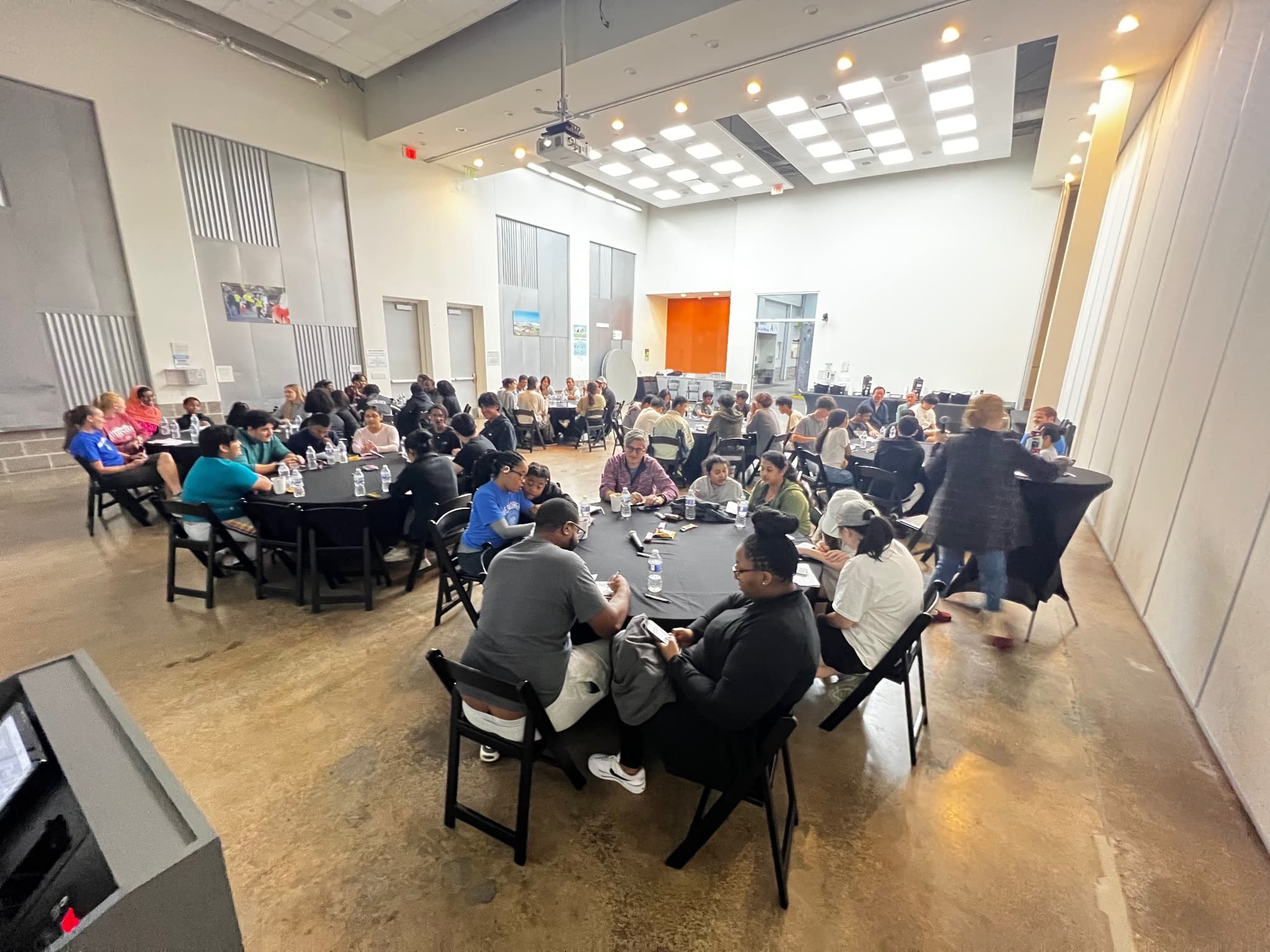
There is a version of this work that is easy to explain. You have a problem. I help you solve it. That is not wrong, but it leaves out most of what actually happens.
The work I do rarely begins with a clear problem. It begins with something harder to name — a team that keeps having the same argument, a leader who knows something needs to change but cannot get themselves to move, an organization that has outgrown its own story. The presenting issue is almost never the real one.
What I bring to that is not a framework. It is attention. The ability to be in a room — or a conversation — and notice what is actually happening, not just what people are saying. That sounds simple. It is not common.
Why facilitation is misunderstood
Most people who hire a facilitator want someone to run a meeting. Keep things on track, get to the outcomes, make sure everyone gets a turn. That is a service, and it is useful. It is not what I do.
Facilitation, done well, is a diagnostic act. You are reading a room in real time — tracking who is withholding, what assumption everyone is making but no one is stating, where the energy is and where it has collapsed. The agenda is a scaffold, not a script.
The outcome of a good session is not a list of action items. It is a room that has moved — where people understand something they did not understand before, or have said something they had not said before, or have agreed to something they had only been pretending to agree to. That shift is what makes the action items matter.
On coaching
I work one-on-one with people who are, in some sense, stuck. Not paralyzed — stuck. They are capable, often accomplished, and there is something they keep not doing, or keep doing that is not working. The gap between what they know and what they do is the terrain we work in.
That work is slow by design. Real change in how a person operates does not happen in a session. It happens in the accumulation of small observations and small experiments and small adjustments over time. My job is to hold the thread.