Facilitation · Program design
Community Conversations
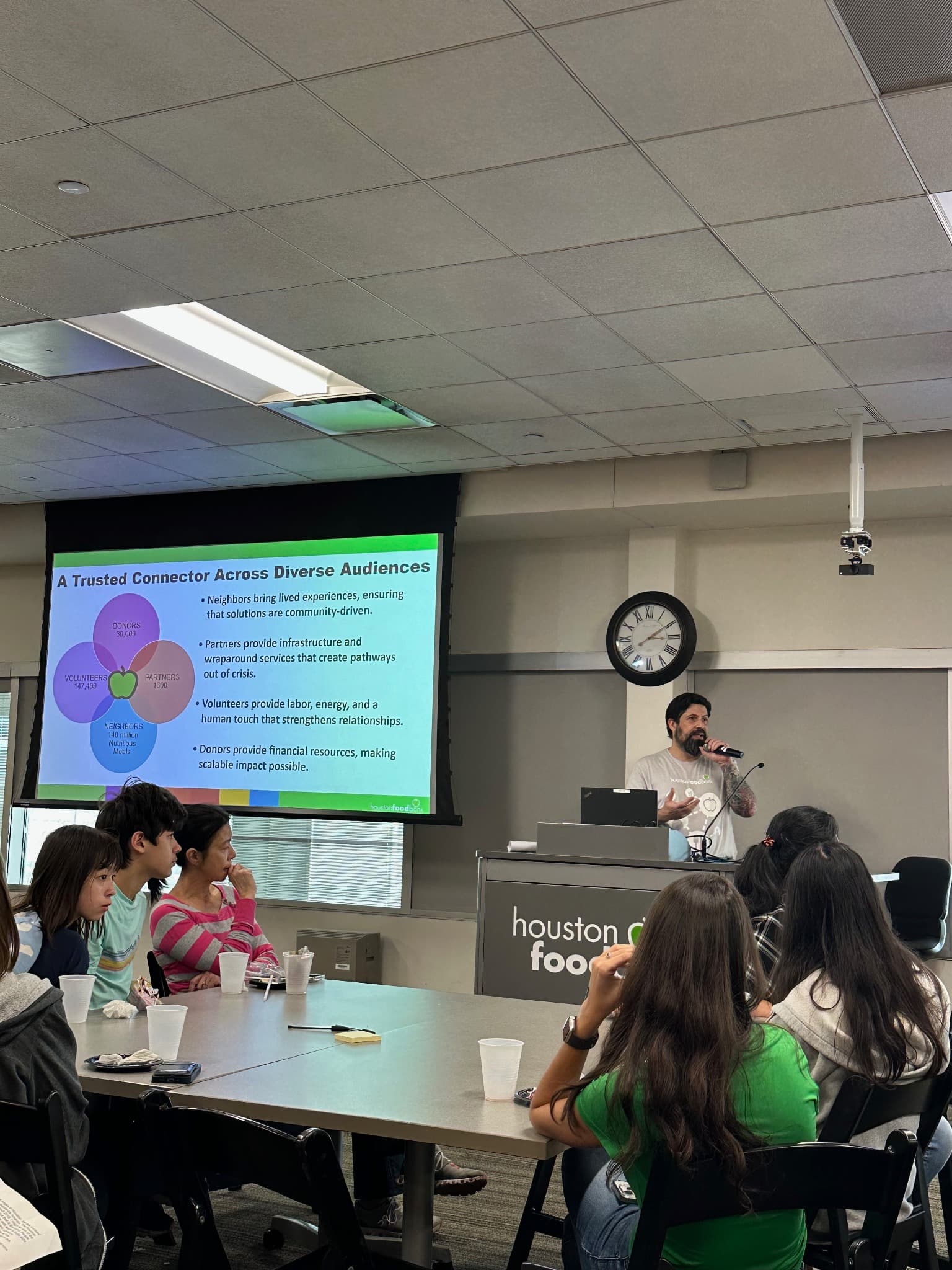
Structured small-group conversations that built trust before asking hard questions — giving community members a real voice in how programs were designed to serve them.
Reading Spine
People know what they need. They are rarely asked.
Organizations that serve communities often design programs based on assumptions — what leadership believes is needed, what a survey revealed, what worked somewhere else. The result is services that fit a model rather than the people they are meant to help.
Community Conversations was a facilitated process that reversed that dynamic: small groups, structured trust-building, and enough time for participants to say what was actually true for them.
Continued
Structure that creates safety for honesty.
The format was designed to hold complexity without reducing it. Each session used a common facilitation frame that allowed themes to surface across different groups. Notetakers documented what was heard using a shared structure, so findings could be synthesized across sites without losing the texture of what participants said.
Good facilitation creates the conditions for people to say what they know. The design of the room — the agreements, the pacing, the sequence — does most of the work.
Reading Spine
Findings that went somewhere.
The process was not research for its own sake. Findings were synthesized into a brief that reached program leadership and, ultimately, influenced how the organization redesigned its community programs. What participants said in those rooms was heard.